What Is Refrigerant Recovery Equipment?
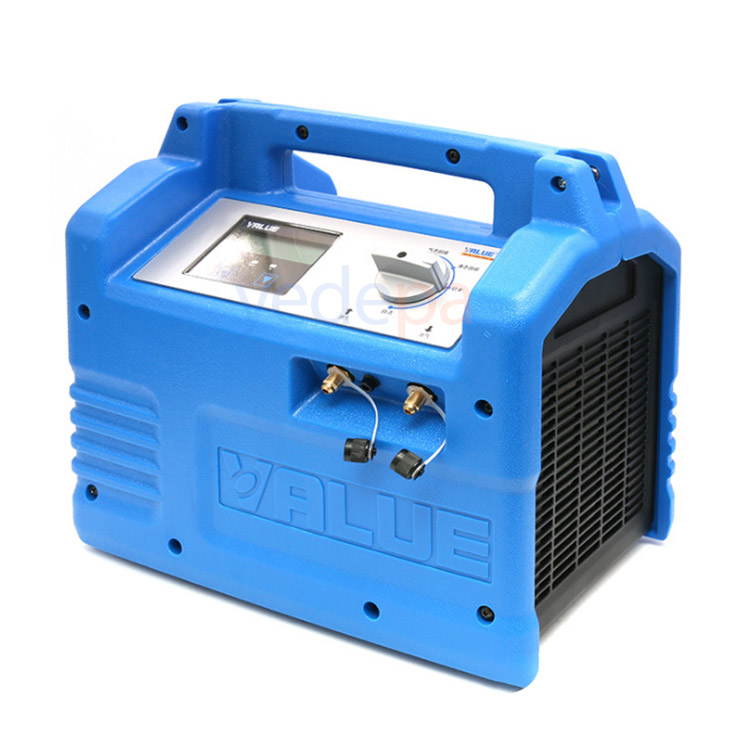
Refrigerant recovery equipment consists of professional service tools that allow refrigerants found in refrigeration and air conditioning systems, such as R410A, R32, R134a, R404A, R407C, R22, to be transferred into a cylinder in a controlled manner without being released into the atmosphere. Now mandatory in the HVAC sector, this equipment is among the first tools that should be in every technician's bag in terms of F-Gas regulations, environmental responsibility and service quality. At Yedepa.com we offer technicians a complete refrigerant recovery solution with original products from Value, Rothenberger, OEM and P&M brands.
In every scenario, from replacing the indoor unit of a split air conditioner to a large-scale cold room overhaul, the refrigerant must be recovered without being vented. This is because a kilogram of modern refrigerant is valuable enough to pay for the equipment; moreover, most of these refrigerants have a high GWP (global warming potential). For this reason a refrigerant recovery machine is every HVAC technician's second most important investment after the vacuum pump.
Technical Details and Working Principle
A recovery machine is essentially a unit with a mini compressor. Using its internal compressor, it draws in the refrigerant coming from the manifold set connected to the system's service valve; it condenses the refrigerant and transfers it into an empty recovery cylinder. The machine usually contains an oilless reciprocating compressor, pressure switches, an automatic shut-off sensor and an overload protection relay.
The working principle consists of three main steps:
- Liquid Phase Recovery: Liquid refrigerant is pushed directly into the cylinder from the high pressure side. It is fast and preferred for large charges.
- Vapor Phase Recovery: The stage in which the vapor-phase refrigerant remaining in the system is drawn in, condensed and taken into the cylinder.
- Push-Pull Method: A fast method applied with two-valve cylinders for charges above 4-5 kg, in which the liquid is drawn directly into the cylinder by pressure difference.
In modern Value VRR series machines, the automatic shut-off sensor activates to protect the machine when the cylinder is full or when the pressure exceeds the threshold value. This both prevents compressor burnout and ensures safe discharge.
Types and Models
Refrigerant recovery equipment falls into three main groups:
1) Recovery Machines (Compressor Units)
These are the electrical machines that take on the main workload. The Value VRR24M, Value VRR24L-OS and Value VRR12M are the best-known models in this class. They have power ratings ranging from 1/2 HP to 1 HP. The M (with gauges) and OS (Oil-Separator) versions are preferred for professional use.
2) Recovery Cylinders (Recovery Tanks)
These are pressure-resistant steel cylinders that store the recovered refrigerant. Rothenberger 40L two-valve, 42 bar rated cylinders manufactured by Amtrol-Alfa are considered standard in heavy industry. For smaller service companies, 12-liter HVAC-R recovery cylinders are ideal. The cylinders have two separate outlets, a liquid valve and a vapor valve; the 80% fill limit marked on them must always be observed.
3) Auxiliary Recovery Tools
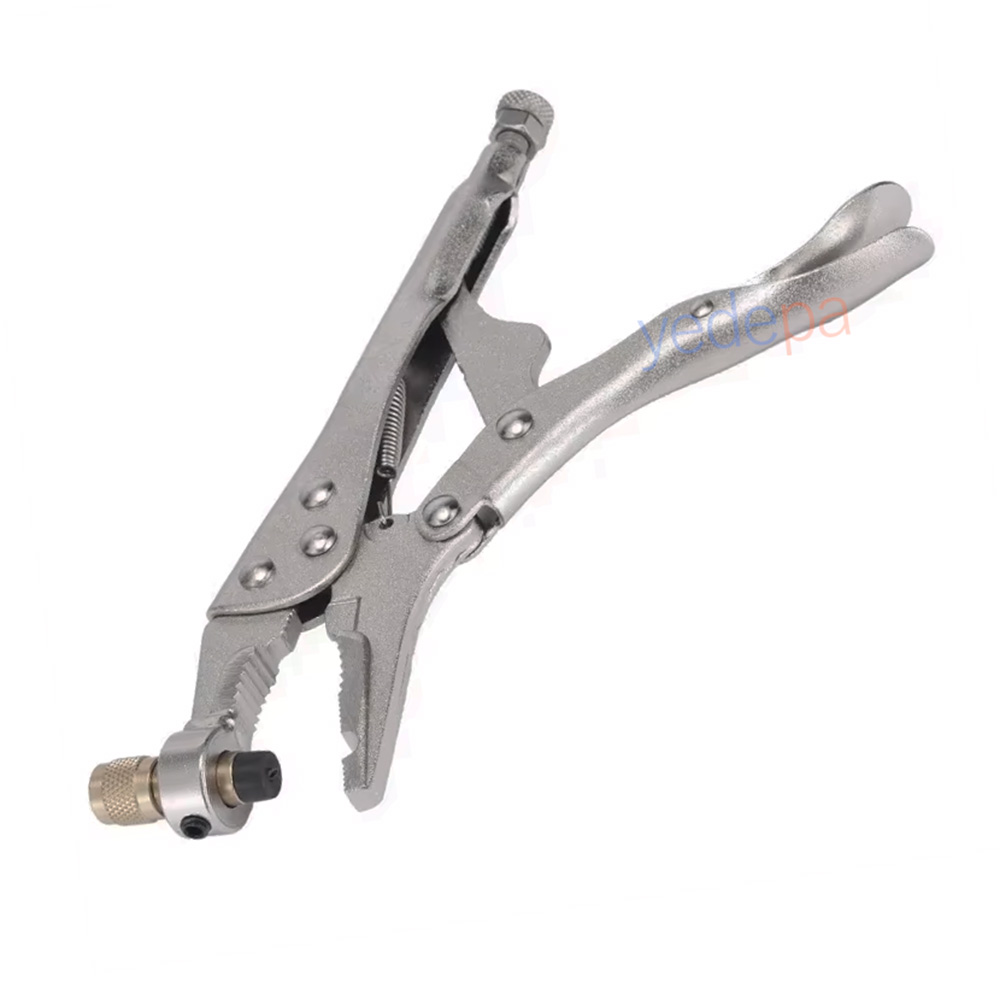
The Copper Tube Piercing and Valve Fitting Pliers used for manifold connection on copper tube systems and the P&M 341 Piercing Valve (Line Tap Valve 3/16" - 3/8") fall into this class. They make it possible to work without discharging the refrigerant, especially on hermetic refrigerators and closed-circuit systems without a service valve.
Which Model to Choose? Decision Guide
To choose the right equipment, you must first clarify your work profile. The comparison table below summarizes the typical applications of the models in the Yedepa.com catalog:
| Model | Power | Typical Use | Suitable Refrigerant |
|---|---|---|---|
| Value VRR12M | 1/2 HP | Air conditioner service, small commercial refrigeration | R22, R134a, R410A, R32 |
| Value VRR24M | 1 HP | Medium-large air conditioners, VRF, cold storage | R22, R134a, R404A, R407C, R410A, R32 |
| Value VRR24L-OS | 1 HP (Oil Separator) | Professional service, busy work schedule | All HFC/HCFC refrigerants |
| Rothenberger 40L Cylinder | 42 Bar | Large charges, heavy industry service | All refrigerants |
| 12L HVAC-R Cylinder | Standard pressure | Air conditioner and small charge service | R134a, R410A, R32, R404A |
If you mainly service residential split air conditioners, the VRR12M + 12L cylinder combination is both economical and sufficient. If you work on VRF, chillers or cold rooms, the VRR24L-OS + 40L Rothenberger cylinder is indispensable.
Refrigerant Recovery Equipment Available on Yedepa.com
In its refrigerant recovery category, Yedepa.com stocks selected products that have been field-tested and are preferred by the sector:
- Value VRR24M Refrigerant Recovery Machine — 1 HP model with gauges, fully compatible with HFC and HCFC refrigerants; ideal for medium-to-large air conditioning and refrigeration systems.
- Value VRR24L-OS Refrigerant Recovery Machine — Version with oil separator; a design that extends compressor life for professionals with a high service frequency.
- Value VRR12M Refrigerant Recovery Machine — 1/2 HP, compact design; the most preferred model for residential air conditioner and small commercial refrigeration service.
- Rothenberger 40L Two-Valve Refrigerant Recovery Cylinder (Amtrol-Alfa, 42 Bar) — A long-life, two-valve (liquid/vapor) cylinder manufactured to European standards.
- 12 L HVAC-R Refrigerant Recovery Cylinder — An economical OEM solution that is easy to carry in mobile service vehicles.
- Copper Tube Piercing and Valve Fitting Pliers — A practical recovery tool for safe intervention on lines without a service valve.
- P&M 341 Piercing Valve (Line Tap Valve) 3/16" - 3/8" — Intervention without damaging the copper tube; indispensable especially for refrigerators and hermetic closed-circuit work.
All products are sourced as originals and shipped with an invoice and warranty. The Yedepa.com catalog also includes vacuum pumps, digital manifold sets, electronic refrigerant charging scales and leak detectors to complete the recovery process.
Professional Selection Criteria
When buying a refrigerant recovery machine, not only the price but also the following technical criteria should be evaluated:
- Refrigerant Compatibility: Check which refrigerants the machine is certified for (especially new-generation R32 and mildly flammable A2L class refrigerants).
- Oilless Compressor: Oil-less compressors require no maintenance and reduce the risk of cross-contamination between different refrigerants.
- Recovery Rate (kg/min): Compare the recovery rates in the liquid and vapor phases. The Value VRR24 series can reach up to 7-8 kg/min in the liquid phase.
- Automatic Shut-Off: Models that protect the machine at excessive pressure and include an OPS (Oil Protection Switch) and HPS (High Pressure Switch) should be preferred.
- Cylinder Compatibility: The maximum working pressure (MWP) of the cylinder must always be higher than the refrigerant pressure. For R410A, a rating of at least 42 bar is essential.
- Two-Valve Advantage: If you are going to use the push-pull method, the cylinder must have both a liquid and a vapor valve.
- Service Support: For continuity of spare parts and technical support, prefer well-established brands such as Value and Rothenberger.
Use and Maintenance Recommendations
For your refrigerant recovery machine to provide trouble-free service for many years, the following field-tested recommendations are important:
- Cylinder Fill Check: Never fill the cylinder above 80%. There is a risk of explosion due to thermal expansion. Monitor it with a charging scale.
- Do Not Mix Different Refrigerants: Use a separate cylinder for each refrigerant type. Recycling facilities reject mixed refrigerants.
- Keep Hose Length Short: Use hoses that are as short and large in diameter (5/16" or 1/2") as possible. Recovery time is significantly reduced.
- Use of a Filter Drier: On burnt-out compressor repairs, always fit an inline filter drier; otherwise your recovery machine will be damaged by acid and oil.
- Cold Cylinder Technique: If you keep the cylinder in an ice/cold water bath, the internal pressure drops and the recovery rate increases by up to 30%.
- Residue Purging: After each job, discharge the refrigerant remaining in the machine using the self-purge mode; otherwise cross-contamination will occur on the next job.
- Periodic Inspection: Keep track of the hydrostatic test date of the cylinders; most standards require retesting every 5 years.
Frequently Asked Questions (FAQ)
1) Is a refrigerant recovery machine a legal requirement?
Under the F-Gas regulation in Turkey, releasing refrigerant into the atmosphere from commercial and industrial refrigeration systems is prohibited. Therefore, it is a de facto requirement for authorized service companies to have a recovery machine.
2) What is the main difference between the Value VRR12M and the VRR24M?
The VRR12M has a power of 1/2 HP and is suitable for residential air conditioners and small charges. The VRR24M, thanks to its more powerful 1 HP compressor, recovers significantly faster on VRF, cold room and large-scale systems.
3) Can I recover both R410A and R32 in the same cylinder?
No. You must use a separate cylinder for each refrigerant. Otherwise, recycling facilities will not accept the mixed refrigerants and the cylinder will have to be disposed of.
4) Why is the Rothenberger 40L cylinder preferred?
The 42 bar rated steel cylinders of the Italian manufacturer Amtrol-Alfa can also be used safely with high-pressure refrigerants such as R410A and R32. Its two-valve design allows the push-pull method.
5) What is a line tap valve (piercing valve) used for?
Piercing valves such as the P&M 341 make it possible to work on hermetic systems without a service valve (especially refrigerators and chest freezers) without damaging them. It pierces the tube, seals it with a gasket and the manifold connection is made.
6) Is a model with an oil separator (OS) essential?
Yes, if you use it intensively in the field. The oil separator prevents compressor oil coming from the system from entering the recovery compressor; it significantly extends the life of the machine. This is why the Value VRR24L-OS is preferred among professionals.
7) Are a recovery machine and a vacuum pump the same thing?
No. A recovery machine transfers the refrigerant in the system into a cylinder; a vacuum pump prepares a completely emptied system by drawing out moisture and air. The two complement each other.
Conclusion and Yedepa Advantages
Refrigerant recovery equipment is no longer an option but a requirement. These machines, which both protect the environment and save valuable refrigerant for the technician, can provide more than 10 years of service in the field when chosen correctly. A professional setup built with the Value VRR24M, VRR24L-OS and VRR12M machines, Rothenberger 40L and 12L cylinders, the OEM copper tube piercing pliers and the P&M 341 piercing valve offers a comprehensive solution for every technician.
Advantages of choosing refrigerant recovery equipment at Yedepa.com:
- Original, warranted products from Value, Rothenberger, OEM and P&M brands
- Years of supply and consultancy experience in the HVAC sector
- Invoiced orders suitable for corporate purchasing
- B2B advantageous pricing for technicians and service companies
- Technical support by phone and WhatsApp
- Single-source supply of recovery machine + cylinder + manifold + vacuum pump
With the right equipment you can raise your occupational safety, environmental responsibility and customer satisfaction at the same time. The Yedepa.com expert team is at your side with detailed technical information and suitable model recommendations for all the products listed on the category page.
🛒 Refrigerant Recovery on Yedepa.com — Featured Products
The most popular professional products, selected from our stock. Check them out and order now.